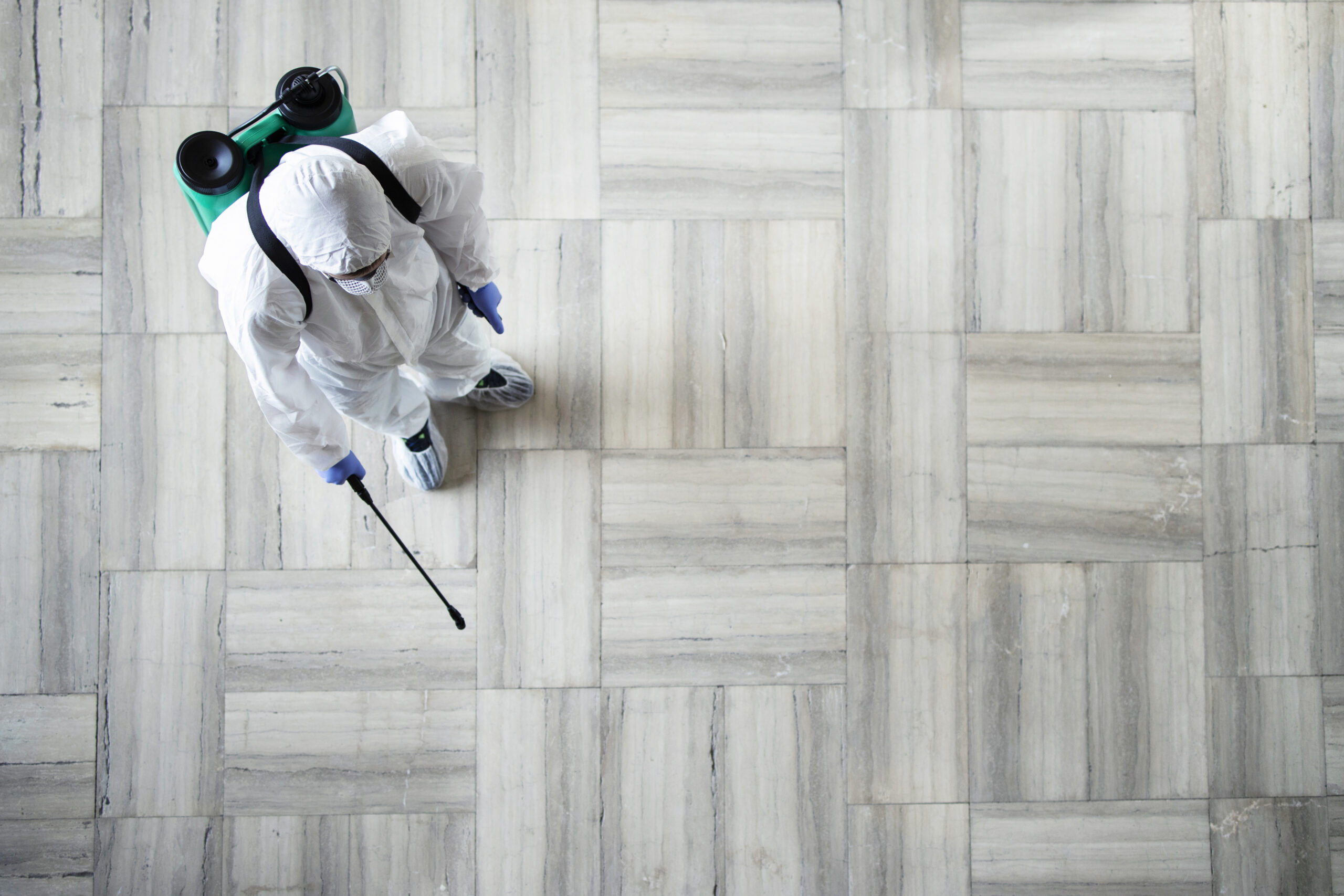
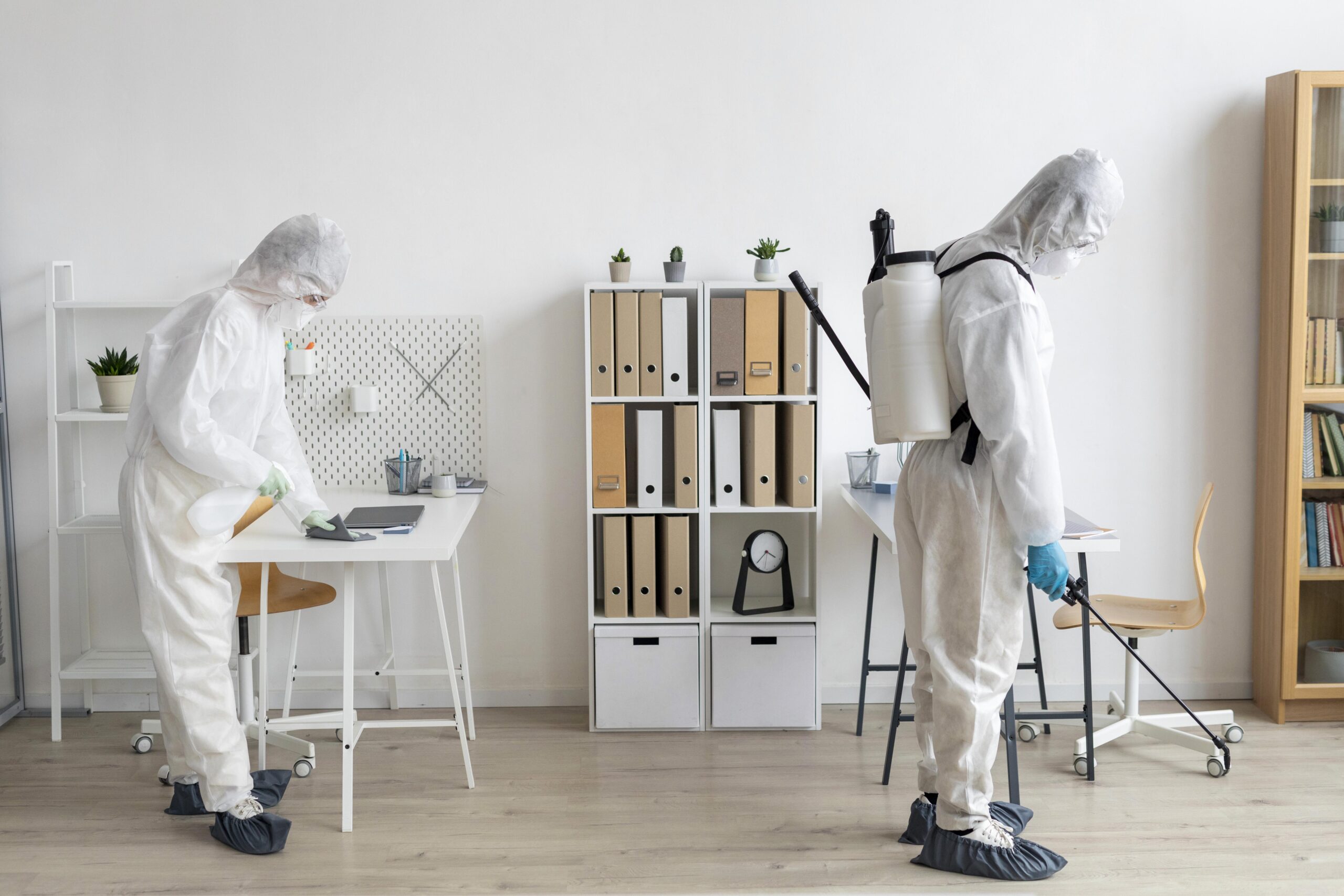
Hospitals and healthcare facilities are spaces where hygiene is directly linked to patient safety. Even a minor pest issue can create serious health risks, compromise sterile zones, and damage the credibility of the institution. Pest Control in healthcare settings requires a highly controlled, precise, and consistent approach. It is not just about removing pests, but about preventing contamination, maintaining compliance, and ensuring a safe environment for patients, staff, and visitors.
Index
- Why Pest Control is Critical in Healthcare
- Common Pests in Hospitals
- Effective Pest Control Strategies
- Managing Sensitive Areas
- Role of Professional Pest Control Services
- Preventive Practices for Staff
- Conclusion
Why Pest Control is Critical in Healthcare
Pest Control is essential in hospitals because pests can carry harmful pathogens that increase the risk of infections. In environments where patients already have weakened immune systems, even small contamination can lead to serious complications. Regulatory bodies also require strict hygiene standards, and pest infestations can result in penalties or reputational damage. Maintaining a pest-free environment is necessary to ensure patient safety and operational excellence.
Common Pests in Hospitals
Healthcare facilities often face pest challenges due to constant movement, food services, and waste generation. Cockroaches are commonly found in kitchens and storage areas, while rodents may enter through utility lines and basements. Flies and mosquitoes can spread infections, especially in open or poorly managed areas. Ants may invade food zones, and termites can damage wooden structures. Identifying these pests early is key to effective Pest Control.
Effective Pest Control Strategies
Routine Inspection and Monitoring
Regular monitoring is essential to detect pest activity at an early stage. Hospitals should implement strict inspection schedules across all departments, including wards, kitchens, and storage areas.
Integrated Pest Management Approach
Using a structured Pest Control approach that combines preventive measures, monitoring, and targeted treatment ensures long-term results. This reduces the need for excessive chemical use while maintaining effectiveness.
Waste Management and Disposal
Medical and food waste should be handled with extreme care. Proper disposal systems and frequent cleaning prevent pests from breeding and spreading within the facility.
Safe and Approved Treatments
Only hospital-grade, low-toxicity pest control methods should be used. Treatments must be carefully planned to avoid exposure to patients and sensitive equipment.
Managing Sensitive Areas
Areas such as operation theatres, ICUs, laboratories, and pharmacies require special attention. Pest Control treatments in these zones must be performed with strict safety protocols and minimal disruption. Scheduling treatments during low-activity hours and using non-invasive techniques helps maintain sterility. Proper sealing of entry points and maintaining air quality are also essential in these areas.
Role of Professional Pest Control Services
Professional Pest Control services are crucial for healthcare facilities because they understand the complexity and sensitivity of the environment. Experts follow strict guidelines and use advanced tools to ensure safe and effective treatments. They also provide documentation and compliance support, which is important for audits and inspections.
For reliable and compliant solutions, you can explore professional pest control services tailored for healthcare environments.
You can also read our detailed guide on hotel and hospitality pest control solutions to understand how pest management varies across industries.
Preventive Practices for Staff
Staff involvement is a key factor in maintaining effective Pest Control. Healthcare workers should be trained to identify early signs of pest activity and report them immediately. Maintaining cleanliness, managing waste properly, and ensuring that food is handled safely are essential practices. Quick response to leaks, cracks, or structural issues also helps prevent pest entry.
Conclusion
Hospital and healthcare Pest Control is a critical component of patient safety and facility management. A proactive approach that includes regular monitoring, safe treatments, and professional expertise ensures a clean and sterile environment. By maintaining strict hygiene standards and preventive practices, healthcare facilities can protect both their patients and their reputation.