
Schools and colleges are places where students spend a large part of their day learning, interacting, and growing. Maintaining a clean and hygienic campus is essential, not just for comfort but for health and safety. Pest Control in educational institutions is often overlooked until a problem becomes visible, but by then it can already affect classrooms, cafeterias, and common areas. A structured and preventive approach helps create a safe environment where students and staff can focus without disruption.
Index
- Why Pest Control is Important in Schools and Colleges
- Common Pests Found on Campuses
- Effective Pest Control Strategies
- Cafeteria and Food Area Management
- Why Professional Pest Control Matters
- Preventive Practices for Staff and Students
- Conclusion
Why Pest Control is Important in Schools and Colleges
Pest Control is essential in educational spaces because it directly impacts student health and hygiene. Pests like mosquitoes, flies, and rodents can spread diseases and create an uncomfortable learning environment. In younger students especially, exposure to pests can lead to allergies and infections. A pest-free campus also reflects better management and builds trust among parents and staff.
Common Pests Found on Campuses
Educational institutions often deal with a variety of pests due to open spaces, food areas, and large footfall. Ants and cockroaches are commonly found in classrooms and cafeterias, while mosquitoes breed in stagnant water around playgrounds and gardens. Rodents may enter storage rooms and basements, and termites can damage wooden furniture and structures. Identifying these pests early is key to maintaining effective Pest Control.
Effective Pest Control Strategies
Regular Campus Inspection
Routine inspections help identify pest activity in its early stages. Schools and colleges should schedule periodic checks for classrooms, storage areas, playgrounds, and administrative blocks.
Classroom and Common Area Treatment
Classrooms, libraries, corridors, and auditoriums should be treated regularly to prevent pest infestations. These areas are used daily and can easily become hotspots if not maintained properly.
Waste Management System
Proper waste disposal is critical for Pest Control. Garbage bins should be cleaned regularly and not allowed to overflow. Efficient waste handling reduces the chances of attracting pests.
Eco Friendly Pest Control Methods
Since students are involved, using safe and eco-friendly pest control solutions is important. Low-toxicity treatments and natural repellents help maintain safety while effectively controlling pests.
Cafeteria and Food Area Management
Cafeterias are one of the most sensitive areas in schools and colleges. Food crumbs, spills, and improper storage can attract pests quickly. Regular cleaning, proper storage of food items, and timely waste disposal are essential. Maintaining strict hygiene in these areas plays a major role in overall Pest Control.
Why Professional Pest Control Matters
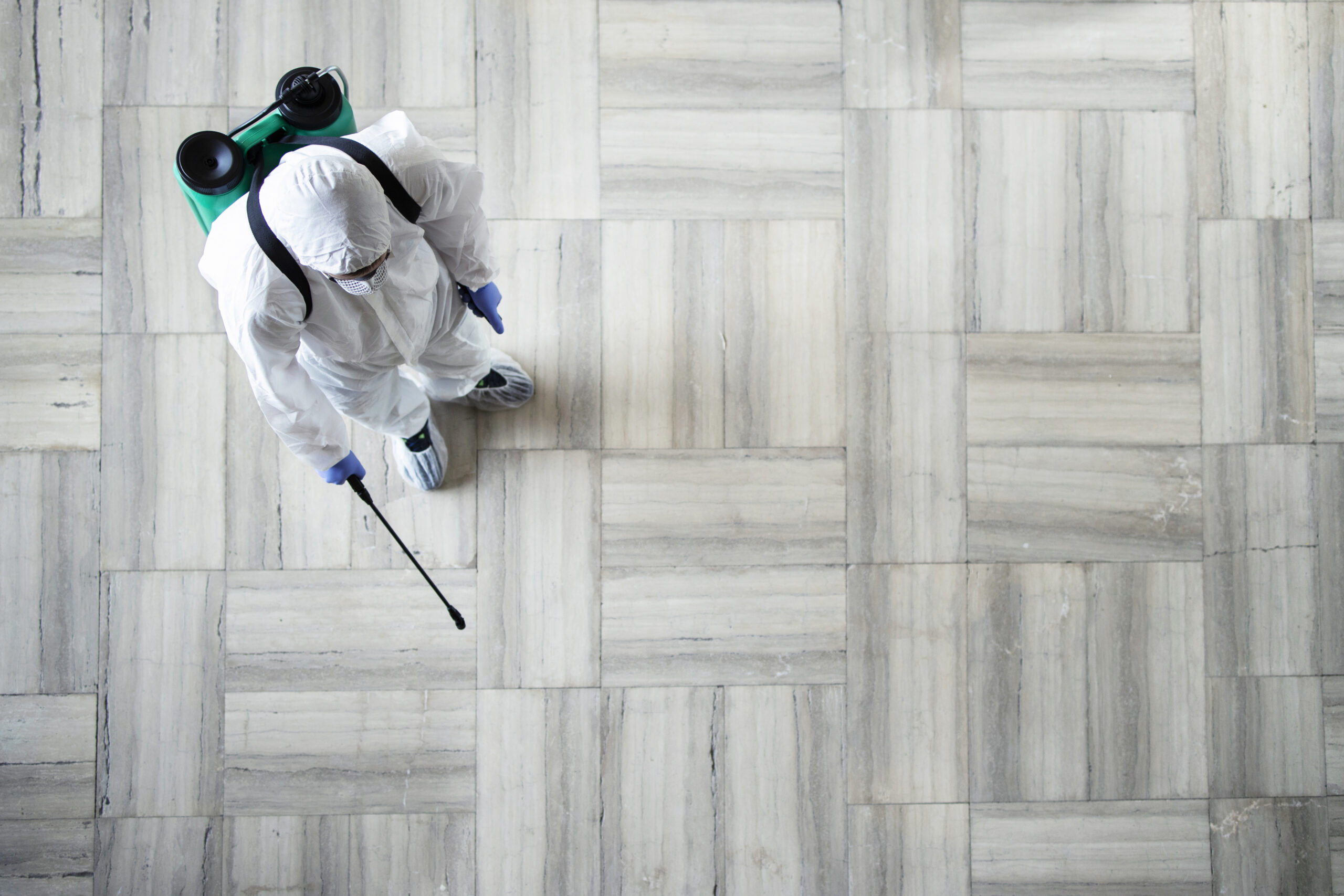
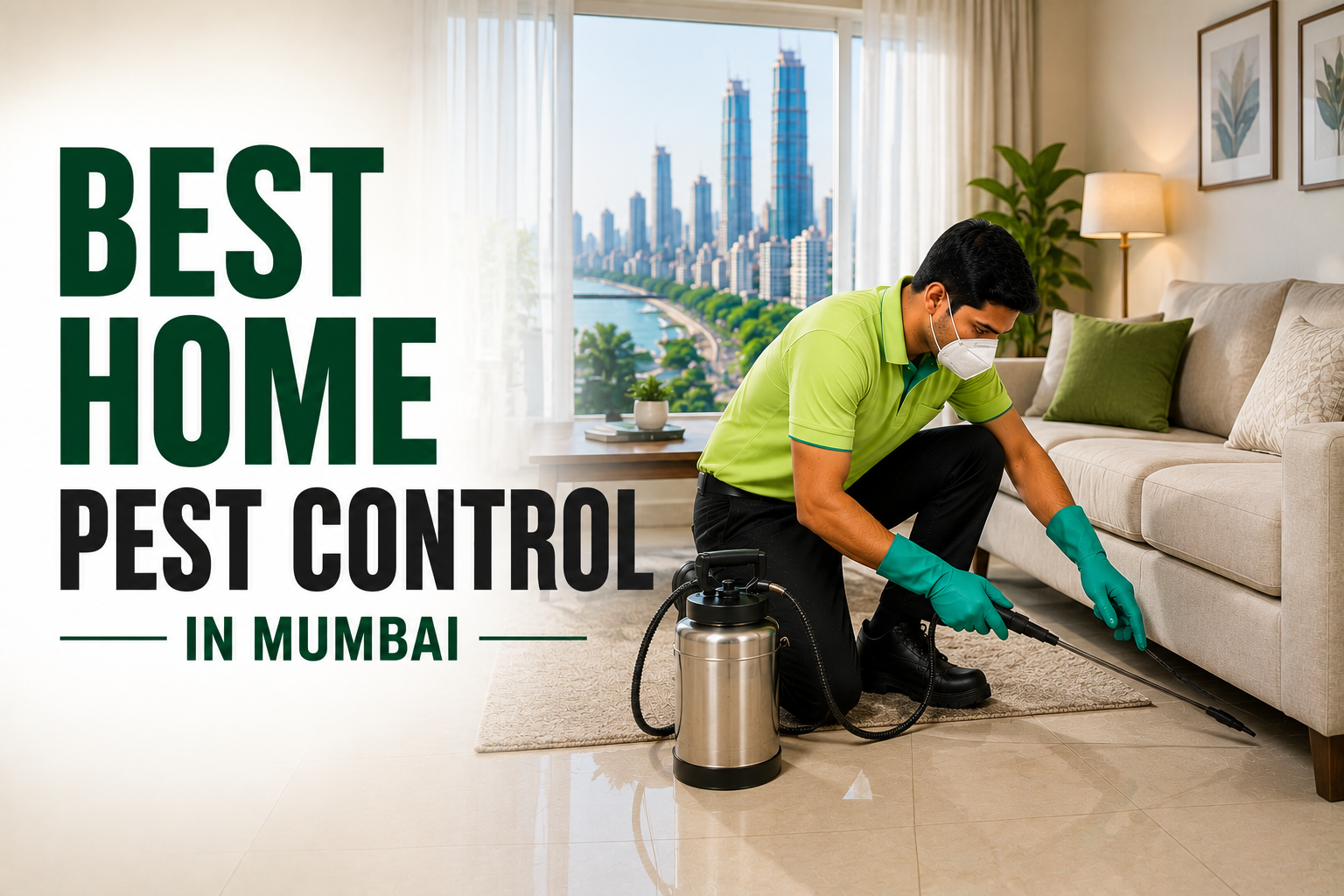
Professional Pest Control services provide expertise and structured solutions that are difficult to achieve with basic methods. They use advanced tools and safe treatments tailored for educational environments. Professionals also ensure that pest control activities are conducted without disrupting academic schedules.
For reliable solutions, you can explore professional pest control services suitable for schools and colleges.
You can also read our guide on hospital and healthcare pest control solutions to understand how pest management differs in sensitive environments.
Preventive Practices for Staff and Students
Maintaining effective Pest Control is a shared responsibility. Staff should ensure regular cleaning and report any signs of pest activity immediately. Students can also contribute by keeping classrooms clean and avoiding littering. Fixing leaks, sealing cracks, and maintaining proper ventilation further help in preventing pest entry and breeding.
Conclusion
School and college Pest Control is essential for creating a safe, hygienic, and productive learning environment. With regular monitoring, proper waste management, and professional support, institutions can effectively prevent pest problems. A proactive approach ensures that students and staff can focus on education without any health risks or disruptions.