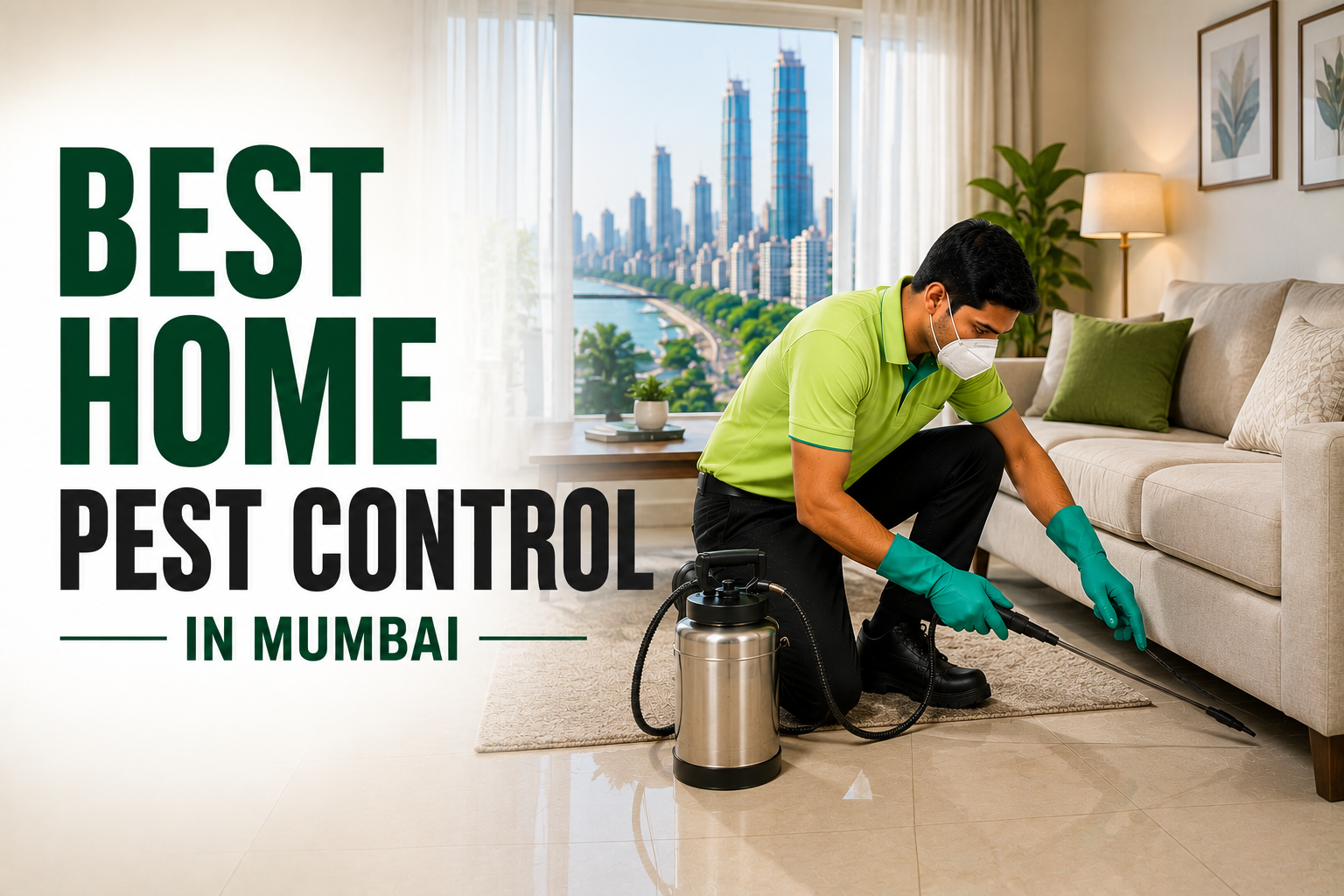
Food manufacturing and processing facilities operate under strict hygiene and safety standards where cleanliness directly impacts product quality and consumer health. Even a small pest issue can contaminate raw materials, damage packaging, and disrupt production processes. Pest Control in food processing units is not only necessary for maintaining hygiene but also for meeting industry regulations and protecting brand reputation. A well-planned pest management system helps businesses maintain safe production environments and ensure product integrity.
Index
- Why Pest Control is Important in Food Processing Facilities
- Common Pests Found in Food Manufacturing Units
- Effective Pest Control Strategies
- Raw Material and Storage Area Protection
- Why Professional Pest Control Matters
- Preventive Practices for Staff
- Conclusion
Why Pest Control is Important in Food Processing Facilities
Pest Control is essential in food manufacturing facilities because pests can contaminate products and create serious health risks. Rodents, insects, and flies can spread bacteria, damage food packaging, and affect production quality. A pest infestation can also result in regulatory penalties, product recalls, and loss of customer trust. Maintaining a pest-free environment ensures food safety, compliance, and smooth operations.
Common Pests Found in Food Manufacturing Units
Food processing facilities commonly face pest issues such as rodents, cockroaches, flies, ants, and stored product insects. Rodents are a major concern because they can contaminate food materials and damage machinery wiring. Cockroaches are often found in damp areas and drainage systems, while flies are attracted to waste and food residue. Ants and storage pests may infest raw material storage areas. Early detection is important for effective Pest Control.
Effective Pest Control Strategies
Routine Inspection and Monitoring
Regular inspections help identify pest activity before it spreads. Monitoring systems should be installed in production units, warehouses, and waste disposal areas for early Pest Control action.
Strict Cleaning and Sanitization
Maintaining hygiene is one of the most important Pest Control practices in food manufacturing units. Production floors, machines, storage racks, and workstations should be cleaned regularly to remove food residue and moisture.
Sealing Entry Points
Cracks, gaps, and openings around doors, windows, and pipelines can allow pests to enter the facility. Proper sealing helps reduce infestation risks and improves long-term pest prevention.
Safe and Approved Treatment Methods
Food industries require pest control treatments that are safe and compliant with industry standards. Using approved methods helps manage pests without affecting product quality or production processes.
Raw Material and Storage Area Protection
Storage areas are highly sensitive in food processing units because pests are often attracted to grains, spices, sugar, and packaged food materials. Raw materials should be stored in sealed containers and organized properly to reduce contamination risks. Maintaining dry conditions and proper ventilation also supports effective Pest Control and protects stored products.
Why Professional Pest Control Matters
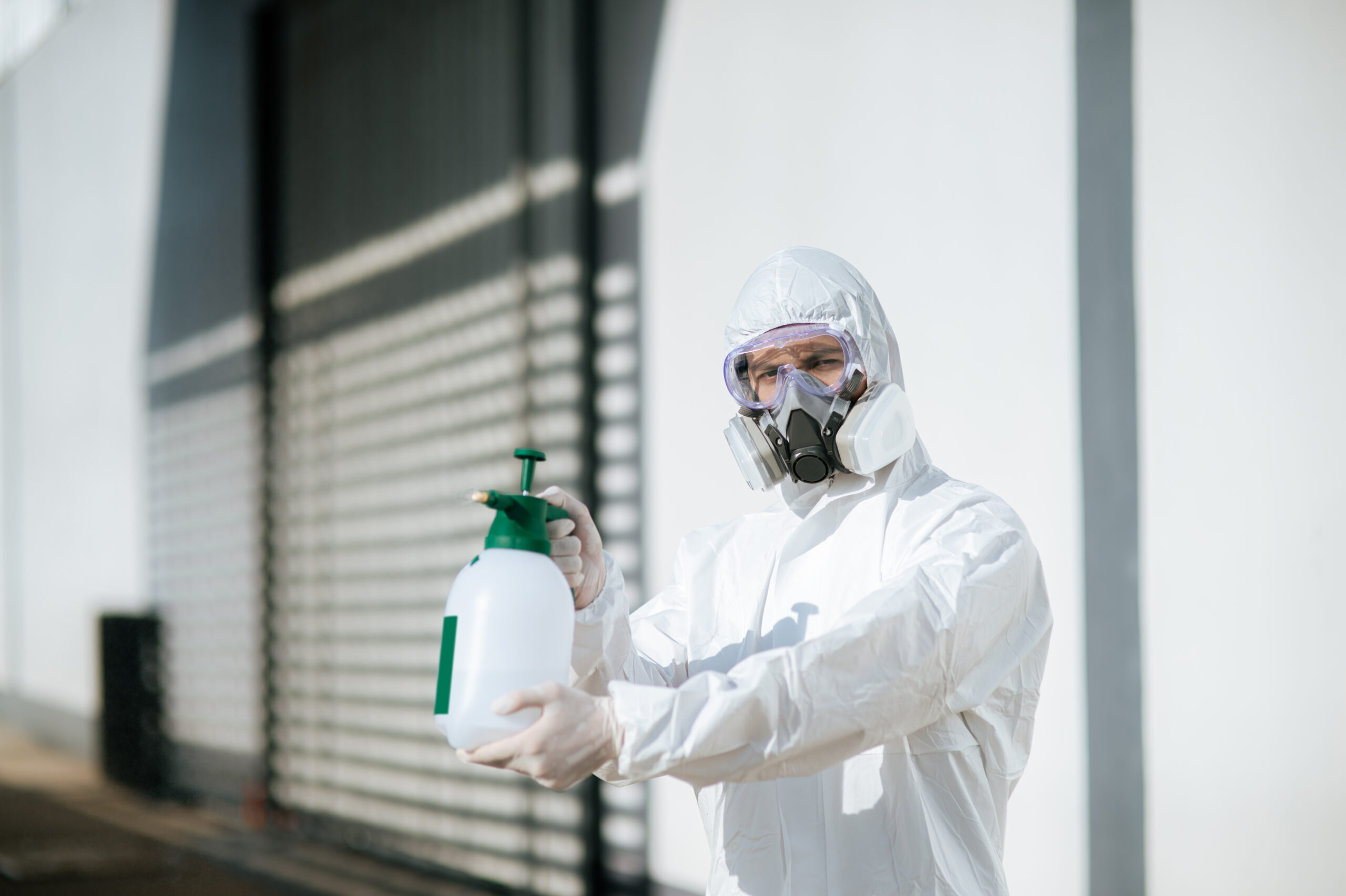
Professional Pest Control services provide customized solutions designed specifically for food manufacturing and processing facilities. Experts understand hygiene regulations and use industry-approved methods that ensure safe and effective treatments. They also provide monitoring reports, documentation, and preventive plans required for audits and compliance checks.
For reliable and industry-compliant solutions, you can explore professional pest control services suitable for food manufacturing environments.
You can also read our guide on pharmaceutical industry pest control solutions to understand how hygiene and pest management work in regulated industries.
Preventive Practices for Staff
Employees play a major role in maintaining effective Pest Control. Staff should follow strict hygiene protocols, clean work areas regularly, and report any signs of pest activity immediately. Proper waste handling, organized storage, and routine maintenance further help reduce infestation risks and maintain food safety standards.
Conclusion
Food manufacturing and processing Pest Control is essential for protecting product quality, maintaining hygiene, and ensuring regulatory compliance. With regular inspections, proper sanitation, preventive practices, and professional support, businesses can effectively prevent pest infestations and maintain safe production environments. A proactive pest control approach helps protect both consumer health and business reputation.