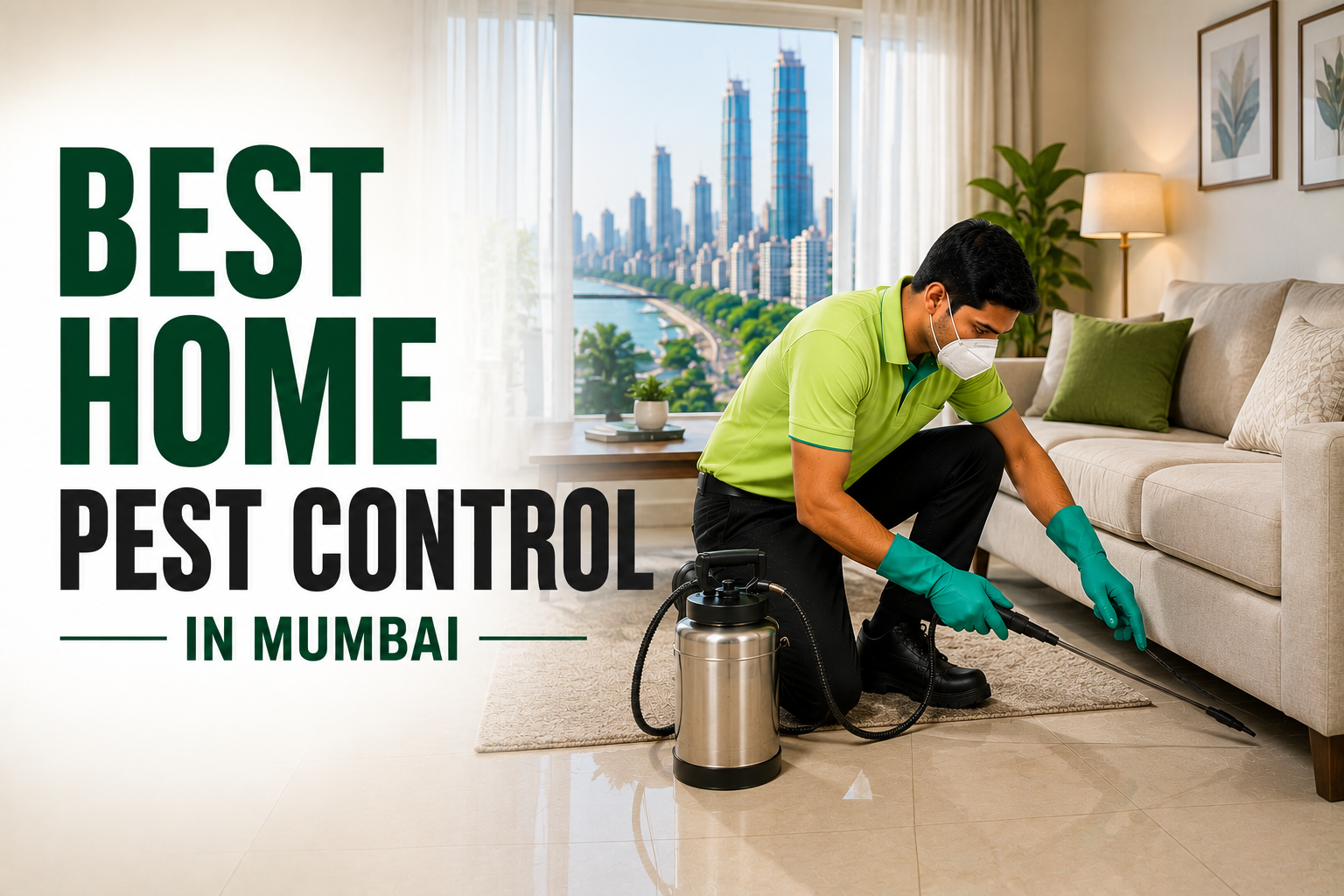

The monsoon season brings welcome relief from the summer heat, but it also creates ideal conditions for pest infestations. Increased moisture, humidity, water accumulation, and damp surroundings provide the perfect environment for pests to breed and thrive. During this time, homeowners and businesses often notice a rise in mosquitoes, cockroaches, termites, rodents, and flies.
Ignoring pest activity during the rainy season can lead to health risks, property damage, and hygiene concerns. Effective Pest Control becomes especially important during monsoon months to maintain a safe and comfortable environment. Understanding common monsoon pest problems and taking preventive measures can help reduce infestations before they become serious.
Index
- Why Pest Problems Increase During Monsoon
- Mosquito Infestations During Rainy Season
- Cockroach Problems in Monsoon
- Termite Activity During Monsoon
- Rodent Infestations and Their Risks
- Monsoon Pest Prevention Tips
- When to Seek Professional Pest Control
- Conclusion
Why Pest Problems Increase During Monsoon
Monsoon weather creates conditions that encourage pest breeding and survival. Standing water becomes a breeding ground for mosquitoes, while damp walls and wooden structures attract termites. Heavy rainfall may also force rodents and insects to move indoors in search of food and shelter.
Humidity levels rise significantly during the rainy season, creating favorable conditions for many pest species. Regular Pest Control measures help reduce the impact of these seasonal infestations.
Mosquito Infestations During Rainy Season
Mosquitoes are among the most common monsoon pests. Water collected in flower pots, buckets, rooftop containers, coolers, and clogged drains provides ideal breeding locations. Mosquito populations can increase rapidly if these areas are not managed properly.
Since mosquitoes are known carriers of diseases such as dengue, malaria, and chikungunya, controlling their breeding sources is an important part of Pest Control during monsoon months.
Cockroach Problems in Monsoon
Cockroaches thrive in warm, damp environments and often become more active during the rainy season. Kitchens, bathrooms, drainage systems, and storage areas are common hiding spots. They can contaminate food, spread bacteria, and trigger allergies.
Maintaining cleanliness and reducing moisture are essential Pest Control strategies for preventing cockroach infestations.
Termite Activity During Monsoon
Termites become particularly active during humid weather. Moist soil and damp wooden structures create favorable conditions for colony expansion. Homeowners may notice mud tubes, damaged wooden furniture, or discarded wings during this period.
Regular inspections and preventive Pest Control treatments help protect homes and commercial properties from costly termite damage.
Rodent Infestations and Their Risks
Heavy rainfall often floods rodent nesting areas, forcing rats and mice to move indoors. Rodents can damage electrical wiring, contaminate food supplies, and spread harmful diseases. They frequently enter buildings through small openings around doors, pipes, and utility lines.
Early Pest Control intervention can help prevent rodent populations from becoming established inside a property.
Monsoon Pest Prevention Tips
Eliminate Standing Water
Regularly inspect your property for stagnant water and remove it whenever possible. This is one of the most effective ways to reduce mosquito breeding.
Keep Indoor Areas Dry
Repair leaking pipes, improve ventilation, and address damp areas quickly. Reducing moisture helps discourage cockroaches, termites, and other pests.
Seal Entry Points
Inspect doors, windows, utility openings, and wall cracks. Sealing these gaps can prevent rodents and insects from entering the property.
Maintain Cleanliness
Food residue, overflowing garbage bins, and clutter can attract pests. Regular cleaning supports effective Pest Control and reduces infestation risks.
Inspect Wooden Structures
Check furniture, doors, cabinets, and wooden fixtures for signs of termite activity. Early detection can prevent extensive damage.
When to Seek Professional Pest Control
While preventive measures are important, some infestations require professional intervention. Persistent mosquito activity, termite damage, recurring cockroach sightings, or rodent infestations often indicate larger underlying problems.
Professional Pest Control services provide comprehensive inspections, customized treatment plans, and long-term prevention strategies. Experts can identify hidden infestation areas and implement targeted solutions that deliver more effective results.
For reliable pest management solutions, you can explore professional pest control services designed for residential and commercial properties.
You can also read our guide on why DIY pest control often fails to understand the benefits of professional pest management.
Conclusion
Monsoon season creates ideal conditions for many common pests, making proactive Pest Control more important than ever. Mosquitoes, cockroaches, termites, and rodents can all become major problems if preventive measures are ignored. By controlling moisture, maintaining cleanliness, eliminating breeding sites, and scheduling regular inspections, homeowners and businesses can significantly reduce infestation risks. When pest problems become difficult to manage, professional pest control services provide the most effective path to long-term protection.