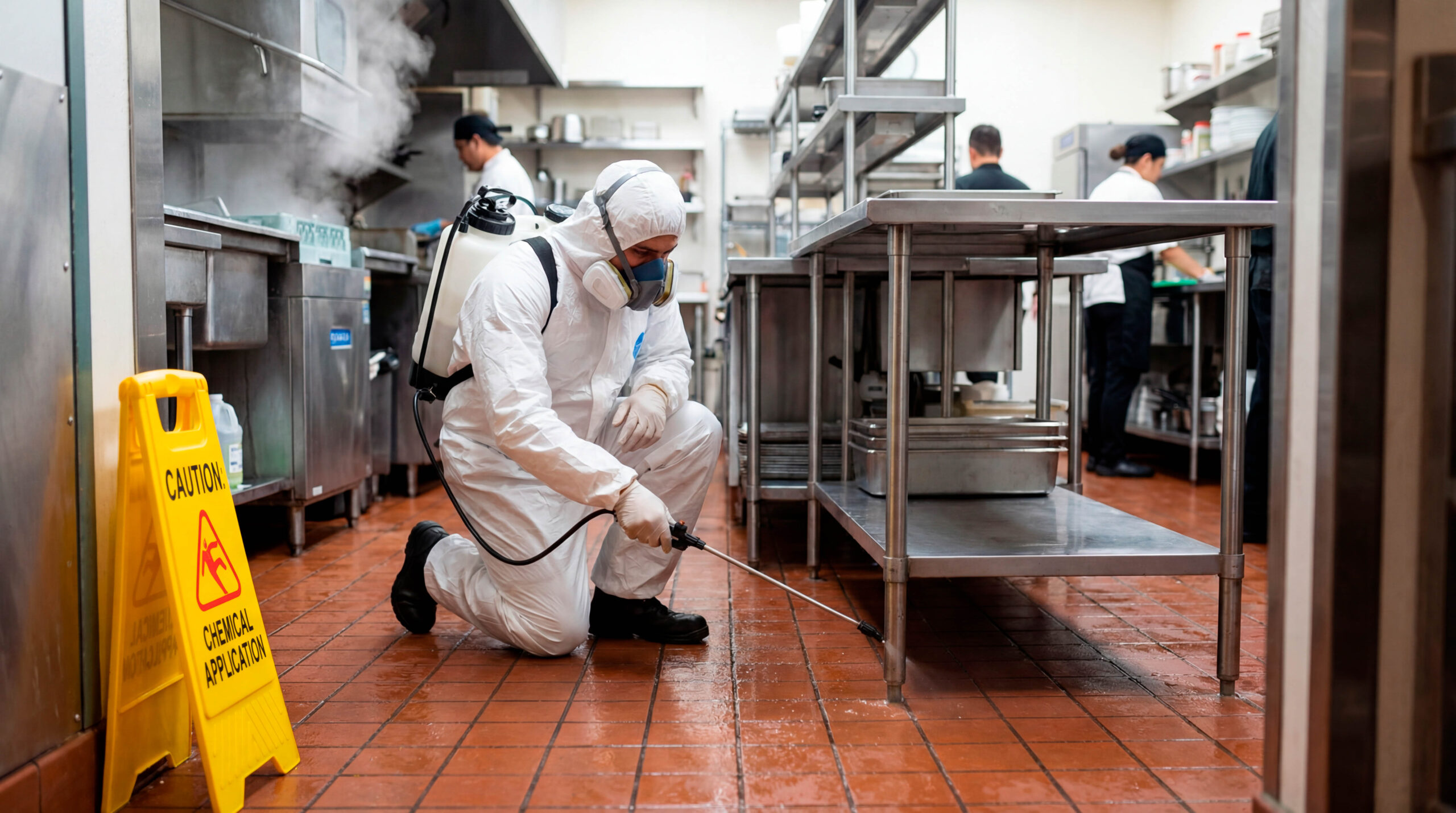
Food processing units operate under strict hygiene and safety standards because the products manufactured directly impact consumer health. Even a small pest infestation can contaminate raw materials, damage packaging, disrupt production, and lead to financial losses. This makes Pest Control an essential part of every food processing facility.
Effective pest management protects products, supports regulatory compliance, and helps businesses maintain customer trust. A proactive approach towards pest prevention is always more effective than dealing with an established infestation.
Index
- Why Pest Control Is Important
- Risks Caused by Pest Infestations
- Common Pests in Food Processing Units
- Effective Pest Control Solutions
- Regulatory Compliance and Food Safety
- Benefits of Professional Pest Control Services
- Conclusion
Why Pest Control Is Important
Pest Control is critical in food processing facilities because pests can contaminate products at every stage of production. Raw materials, packaging areas, storage rooms, and finished goods sections are all vulnerable to infestations. A single pest sighting can affect product quality and damage a company’s reputation.
Maintaining a pest free environment helps businesses deliver safe products while protecting operational efficiency.
Risks Caused by Pest Infestations
Pests create several challenges for food manufacturers. Rodents can chew packaging materials and electrical wiring, while insects may contaminate food ingredients and production lines. Birds and flies can spread bacteria and increase health risks.
Infestations can also result in rejected shipments, failed audits, production delays, and financial penalties. Preventive Pest Control helps businesses avoid these costly problems.
Common Pests in Food Processing Units
Rodents
Rats and mice are one of the biggest concerns in food facilities because they contaminate products and damage infrastructure.
Cockroaches
Cockroaches are commonly found in warm and humid areas such as kitchens, drainage systems, and storage rooms.
Stored Product Insects
Beetles, moths, and weevils often infest grains, flour, spices, and other dry ingredients stored in warehouses.
Flies
Flies can carry harmful bacteria and contaminate food products during processing and packaging.
Birds
Bird activity around loading areas and warehouses can create contamination risks and operational challenges.
Effective Pest Control Solutions
Regular Inspections
Routine inspections help identify pest activity before infestations become severe. Early detection is one of the most effective Pest Control strategies.
Sealing Entry Points
Doors, windows, ventilation systems, and utility openings should be inspected regularly and sealed where necessary to prevent pest entry.
Proper Waste Management
Waste should be removed frequently and disposal areas should remain clean to reduce pest attraction.
Monitoring Systems
Traps and monitoring devices help track pest activity and support quick corrective action when needed.
Sanitation Practices
Maintaining cleanliness in production areas, storage spaces, and employee facilities reduces food sources that attract pests.
Regulatory Compliance and Food Safety
Food processing companies are required to comply with food safety standards and industry regulations. Regular Pest Control supports compliance with quality management systems and audit requirements.
Proper documentation, monitoring records, and preventive actions demonstrate a commitment to food safety and operational excellence.
Benefits of Professional Pest Control Services
Professional Pest Control providers understand the unique requirements of food manufacturing environments and create customized solutions for each facility.
- Reduced contamination risks
- Protection of raw materials and finished products
- Support for food safety audits
- Improved hygiene standards
- Long term pest prevention
- Reduced operational disruptions
For industry specific solutions, you can visit professional pest control services for more information.
You can also contact our experts through Airpest Contact Page to discuss customized pest management solutions for your facility.
Conclusion
The importance of Pest Control in food processing units cannot be overstated. Protecting products from contamination, maintaining compliance, and ensuring customer safety all depend on an effective pest management strategy.
Businesses that invest in preventive pest control not only protect their products but also strengthen their reputation and improve long term operational efficiency.