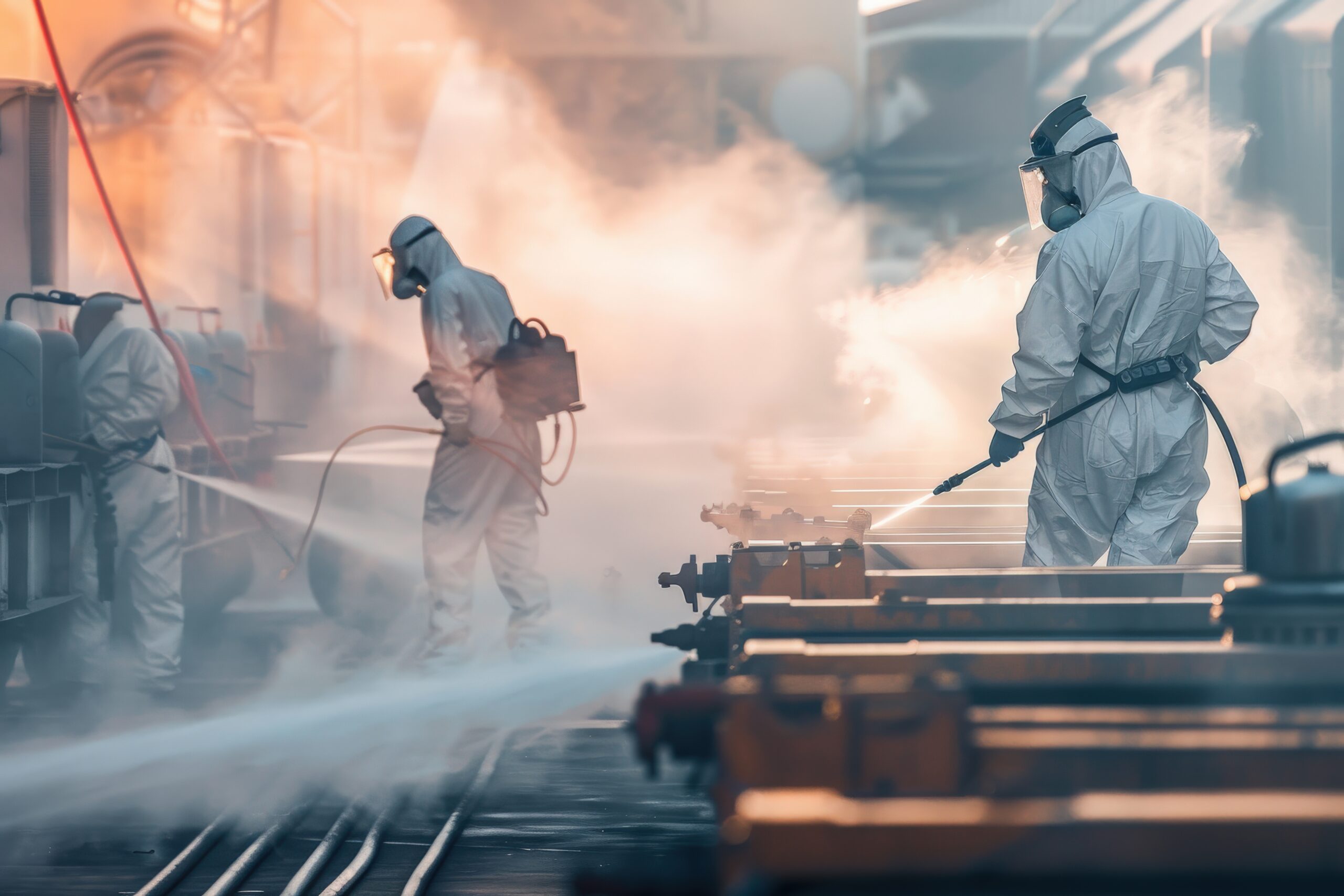
Industrial facilities operate in complex environments where pest infestations can cause serious operational and financial challenges. Manufacturing plants, warehouses, logistics hubs, processing units, and production facilities often provide pests with access to shelter, food sources, and hiding spaces. Without proper Pest Control, businesses may face inventory damage, production delays, equipment failures, and compliance issues.
Industrial pest management is different from residential pest control because it focuses on large facilities, continuous operations, and industry specific risks. A well planned Pest Control program helps businesses maintain hygiene standards, protect assets, and support uninterrupted production activities.
Index
- Why Pest Control Is Important in Industrial Facilities
- Common Pests Found in Industrial Sites
- Industrial Pest Control Services Explained
- Importance of Monitoring and Inspection
- Compliance and Safety Benefits
- Benefits of Professional Pest Control Services
- Conclusion
Why Pest Control Is Important in Industrial Facilities
Industrial buildings often contain raw materials, packaging supplies, machinery, and storage areas that attract pests. Rodents can damage electrical systems and wiring, insects can contaminate products, and birds may create hygiene and safety concerns. Effective Pest Control helps businesses avoid operational disruptions and costly repairs.
Many industries are also required to follow strict quality and hygiene standards, making preventive pest management an important part of daily operations.
Common Pests Found in Industrial Sites
Rodents
Rats and mice are among the most common industrial pests. They damage packaging, contaminate inventory, and create fire risks by chewing electrical cables.
Cockroaches
Cockroaches are often found in utility areas, cafeterias, and production spaces where warmth and moisture are available.
Stored Product Insects
Industries handling grains, food products, and raw materials may experience infestations from beetles, moths, and weevils.
Birds
Birds frequently enter loading bays and warehouse areas where they can contaminate products and create maintenance challenges.
Termites
Termites can damage wooden pallets, furniture, and storage structures, resulting in expensive replacement costs.
Industrial Pest Control Services Explained
Site Inspection and Risk Assessment
Professional technicians inspect the facility to identify pest activity, entry points, and areas of concern. This information helps create a customized Pest Control strategy.
Monitoring Programs
Monitoring devices and inspection schedules help identify pest activity before infestations become severe. Early detection improves treatment effectiveness.
Entry Point Protection
Doors, windows, loading docks, and utility openings are inspected and secured to reduce pest access into the facility.
Targeted Treatment Solutions
Treatments are designed according to the type of pest and the operational requirements of the facility. The goal is to control pests while minimizing disruption to production.
Documentation and Reporting
Industrial Pest Control programs often include inspection records, monitoring reports, and treatment documentation that support audits and compliance requirements.
Importance of Monitoring and Inspection
Regular inspections help businesses identify problems early and avoid major infestations. Monitoring programs also allow companies to track trends and improve preventive measures over time. This proactive approach reduces the risk of production losses and inventory damage.
Compliance and Safety Benefits
Many industries must comply with national and international quality standards. Effective Pest Control supports hygiene requirements and demonstrates a commitment to safety and operational excellence.
Maintaining pest management records can also help businesses during audits, customer inspections, and certification reviews.
Benefits of Professional Pest Control Services
- Protection of inventory and raw materials
- Reduced operational disruptions
- Improved workplace hygiene
- Support for industry compliance requirements
- Early detection of pest activity
- Long term prevention strategies
For industry specific solutions, you can visit professional pest control services for more information.
You can also connect with our experts through Airpest Contact Page to discuss customized pest management solutions for industrial facilities.
Conclusion
Industrial Pest Control is an essential part of protecting operations, inventory, employees, and business reputation. By combining inspections, monitoring programs, preventive measures, and professional support, industries can reduce pest risks and maintain efficient operations.
A proactive pest management strategy helps businesses protect valuable assets while supporting long term growth and operational stability.