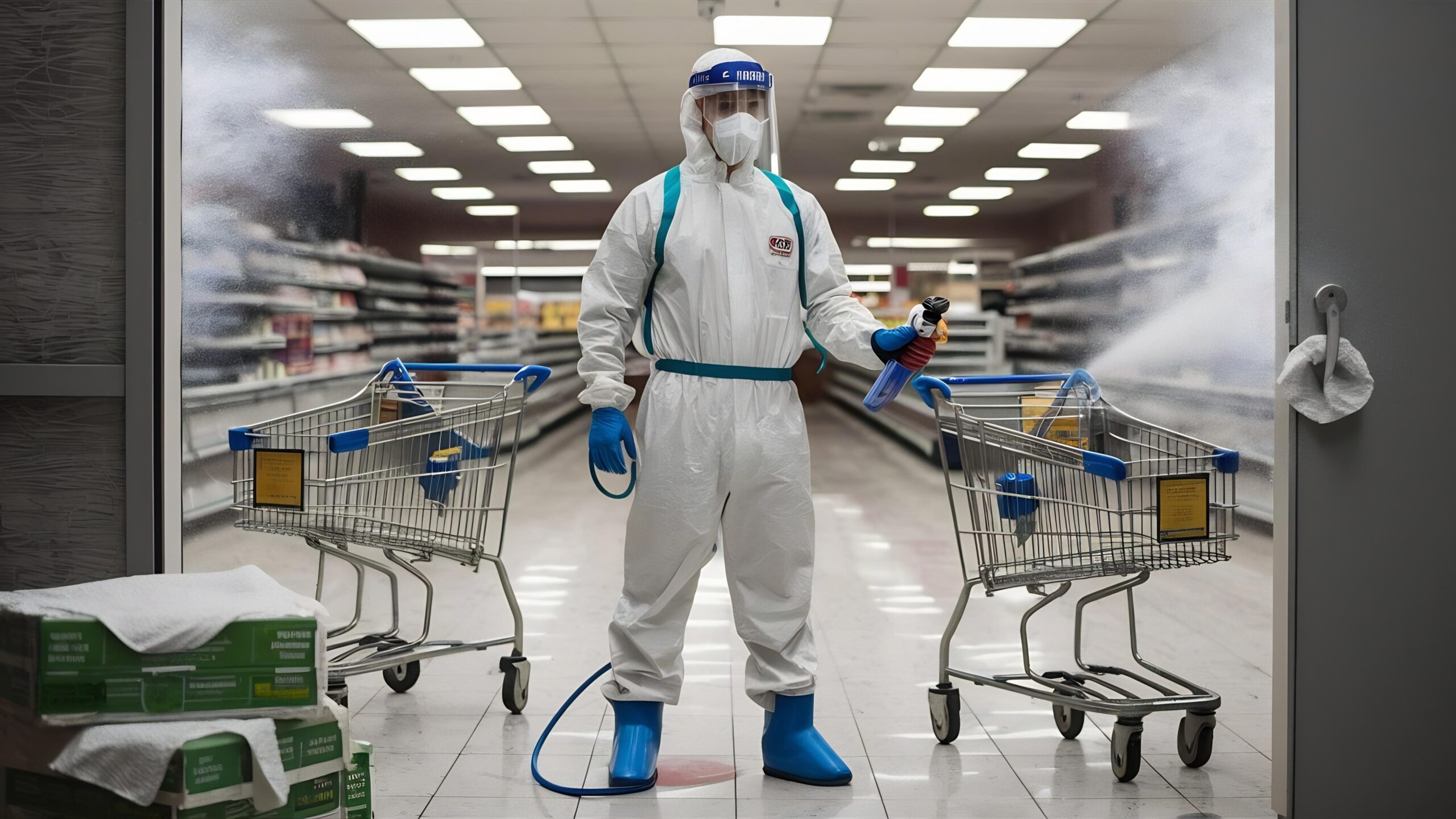
Retail stores in urban areas face unique challenges when it comes to maintaining cleanliness and protecting products from pest infestations. High customer footfall, nearby food outlets, shared building structures, storage rooms, and regular deliveries create ideal conditions for pests to enter and spread quickly. Even a small pest issue can damage products, affect customer confidence, and harm a store’s reputation. This is why Pest Control is an essential part of retail business operations.
Modern retail businesses cannot afford disruptions caused by rodents, cockroaches, ants, or stored product insects. A proactive pest management strategy helps maintain hygiene standards, protect inventory, and provide customers with a safe shopping experience.
Index
- Why Pest Control Matters in Retail Stores
- Common Pests Found in Urban Retail Stores
- Business Risks Caused by Pest Infestations
- Effective Pest Control Solutions
- Preventive Measures for Retail Businesses
- Benefits of Professional Pest Control Services
- Conclusion
Why Pest Control Matters in Retail Stores
Pest Control plays an important role in maintaining product quality and customer trust. Urban retail stores often operate in crowded commercial areas where pests can easily move between neighboring businesses. Food stores, supermarkets, clothing outlets, electronics stores, and pharmacies all face different pest related challenges that require regular monitoring and preventive action.
A clean and pest free environment improves customer confidence and helps businesses maintain a professional image.
Common Pests Found in Urban Retail Stores
Rodents
Rats and mice can damage packaging materials, electrical wiring, and stored inventory. They also contaminate products and create health concerns for customers and employees.
Cockroaches
Cockroaches are commonly found in storage areas, staff rooms, and waste disposal locations where food residue and moisture are present.
Ants
Ant infestations are common in stores that sell food products, confectionery items, and beverages.
Stored Product Insects
Supermarkets and grocery stores are particularly vulnerable to beetles, moths, and weevils that infest grains and packaged food items.
Flies
Retail stores with food sections may experience fly activity if waste management practices are not maintained properly.
Business Risks Caused by Pest Infestations
Pests can create serious financial and operational problems for retailers. Damaged inventory, product contamination, customer complaints, and negative online reviews can directly affect sales and brand reputation. In some cases, infestations may even lead to regulatory penalties or temporary business interruptions.
Regular Pest Control inspections help businesses identify problems early and reduce long term risks.
Effective Pest Control Solutions
Routine Inspections
Scheduled inspections help identify pest activity before infestations become severe. Storage rooms, delivery areas, and customer spaces should be checked regularly.
Entry Point Management
Doors, windows, ventilation openings, and utility lines should be inspected and sealed where necessary to reduce pest access.
Waste Management
Garbage bins should be emptied frequently and disposal areas should remain clean to avoid attracting pests.
Inventory Rotation
Proper stock rotation helps reduce the chances of products remaining untouched for long periods, limiting opportunities for pest activity.
Monitoring Systems
Traps and monitoring devices provide early warning signs of pest activity and support quick corrective action.
Preventive Measures for Retail Businesses
Retail stores can strengthen Pest Control efforts by maintaining good housekeeping practices. Cleaning shelves regularly, removing packaging waste quickly, and keeping storage areas organized help reduce hiding places for pests. Employees should also be trained to identify early signs of infestation and report them immediately.
Benefits of Professional Pest Control Services
Professional Pest Control providers understand the challenges faced by urban retail businesses and develop customized treatment plans based on store size, inventory type, and operating hours.
- Protection of inventory and products
- Improved customer confidence
- Reduced health risks
- Support for hygiene compliance
- Early pest detection
- Long term prevention strategies
Professional support allows businesses to focus on customer service while maintaining effective pest prevention throughout the year.
Conclusion
Retail stores in urban areas face constant exposure to pest risks because of customer traffic, deliveries, and surrounding businesses. Investing in regular Pest Control helps protect products, maintain hygiene standards, and preserve customer trust. A proactive pest management strategy not only prevents inventory damage but also supports long term business growth and reputation.