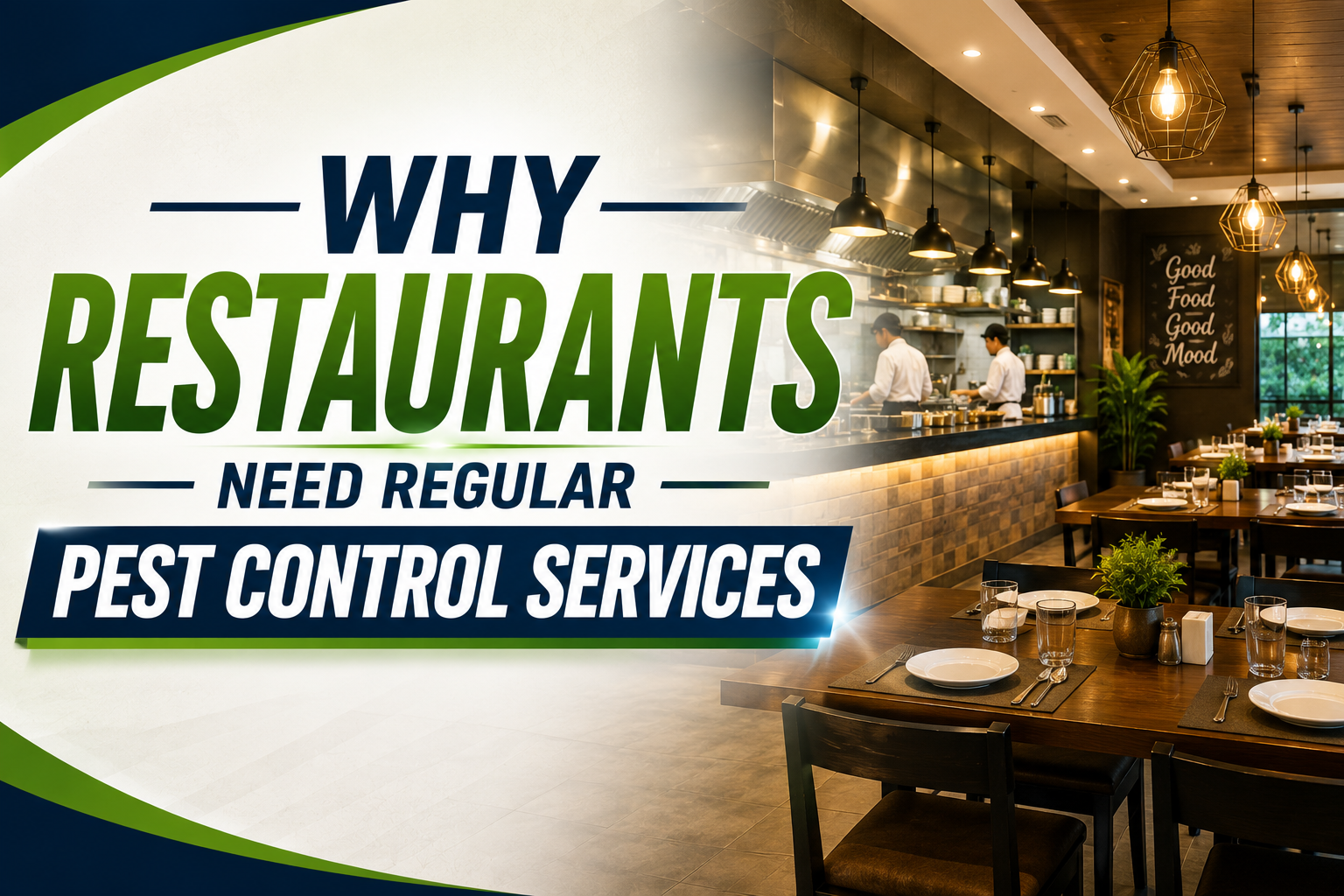
Pest Control Restaurants operate in an environment where cleanliness and food safety are critical to business success. Customers expect fresh food, hygienic dining spaces, and a pleasant experience every time they visit. However, restaurants naturally attract pests because they provide easy access to food, moisture, warmth, and shelter. Without a proactive Pest Control plan, even a small infestation can quickly turn into a serious issue that affects operations, customer trust, and brand reputation.
Regular pest management is not simply about removing insects and rodents. It is an important investment in food safety, regulatory compliance, and long-term business growth. Restaurants that schedule routine pest control services are better prepared to prevent infestations and maintain high hygiene standards throughout the year.
Index
- Why Pest Control Is Important for Restaurants
- Common Pests Found in Restaurants
- Protecting Food Safety Standards
- Maintaining Restaurant Reputation
- Meeting Health and Regulatory Requirements
- Benefits of Regular Pest Control Services
- Preventive Measures Restaurant Owners Should Follow
- Conclusion
Why Pest Control Is Important for Restaurants
Pest Control plays a significant role in maintaining a clean and safe restaurant environment. Restaurants store raw ingredients, prepare food continuously, and generate waste every day, making them highly attractive to pests. A single cockroach sighting or rodent problem can damage customer confidence and result in negative online reviews.
Regular inspections and preventive treatments help restaurants avoid infestations before they affect food preparation areas and dining spaces.
Common Pests Found in Restaurants
Several pests are commonly found in food service establishments.
- Cockroaches hiding in kitchens, drains, and storage rooms
- Rodents searching for food and nesting areas
- Flies attracted to food waste and moisture
- Ants invading sugar storage and food preparation counters
- Stored product pests infesting grains, flour, and dry ingredients
Each of these pests can contaminate food, spread harmful bacteria, and create serious hygiene concerns. Effective Pest Control helps reduce these risks significantly.
Protecting Food Safety Standards
Food safety is one of the biggest reasons restaurants invest in routine Pest Control services. Pests carry pathogens that can contaminate ingredients, kitchen equipment, and prepared meals. Cockroaches and rodents, in particular, are known to spread bacteria that may lead to foodborne illnesses.
By implementing scheduled pest management programs, restaurant owners can maintain cleaner food preparation environments and support safer dining experiences for customers.
Maintaining Restaurant Reputation
Restaurant success often depends on customer reviews and word-of-mouth recommendations. A single social media post showing pests inside a restaurant can negatively impact business for months.
Customers associate visible pests with poor hygiene practices, regardless of food quality. Regular Pest Control services help businesses protect their reputation and maintain customer trust.
Meeting Health and Regulatory Requirements
Restaurants must comply with food safety regulations and local health department standards. Pest infestations can lead to penalties, failed inspections, temporary closures, and legal complications.
Professional Pest Control providers often maintain service records, inspection reports, and treatment documentation that can support restaurants during audits and inspections.
Benefits of Regular Pest Control Services
Early Detection of Pest Activity
Routine inspections help identify pest issues before they become major infestations.
Long Term Cost Savings
Preventive treatments are usually less expensive than dealing with severe infestations, damaged inventory, or business interruptions.
Customized Treatment Programs
Professional Pest Control companies develop treatment plans based on the size, layout, and operational requirements of each restaurant.
Improved Customer Confidence
A clean and pest-free environment encourages repeat visits and positive reviews from customers.
Preventive Measures Restaurant Owners Should Follow
Restaurant staff can support Pest Control efforts by adopting good hygiene practices.
- Clean kitchen surfaces regularly
- Store ingredients in sealed containers
- Dispose of waste frequently
- Repair plumbing leaks promptly
- Seal gaps around doors and windows
- Inspect deliveries for signs of pests
- Schedule periodic professional inspections
Combining preventive measures with routine pest management services offers the best protection against infestations.
For reliable commercial pest management solutions, you can explore professional pest control services that provide customized treatment plans for restaurants and food businesses.
You can also read our guide on mosquito control tips for Indian homes to learn additional strategies for maintaining hygienic environments.
Conclusion
Restaurants face constant exposure to pest risks because of their food handling activities and high customer traffic. Waiting until pests become visible can lead to health concerns, damaged reputations, and costly disruptions. Regular Pest Control services help restaurants maintain food safety standards, comply with regulations, and provide customers with a clean and enjoyable dining experience.
By investing in scheduled inspections and preventive treatments, restaurant owners can protect their business, strengthen customer trust, and focus on delivering excellent food and service every day.