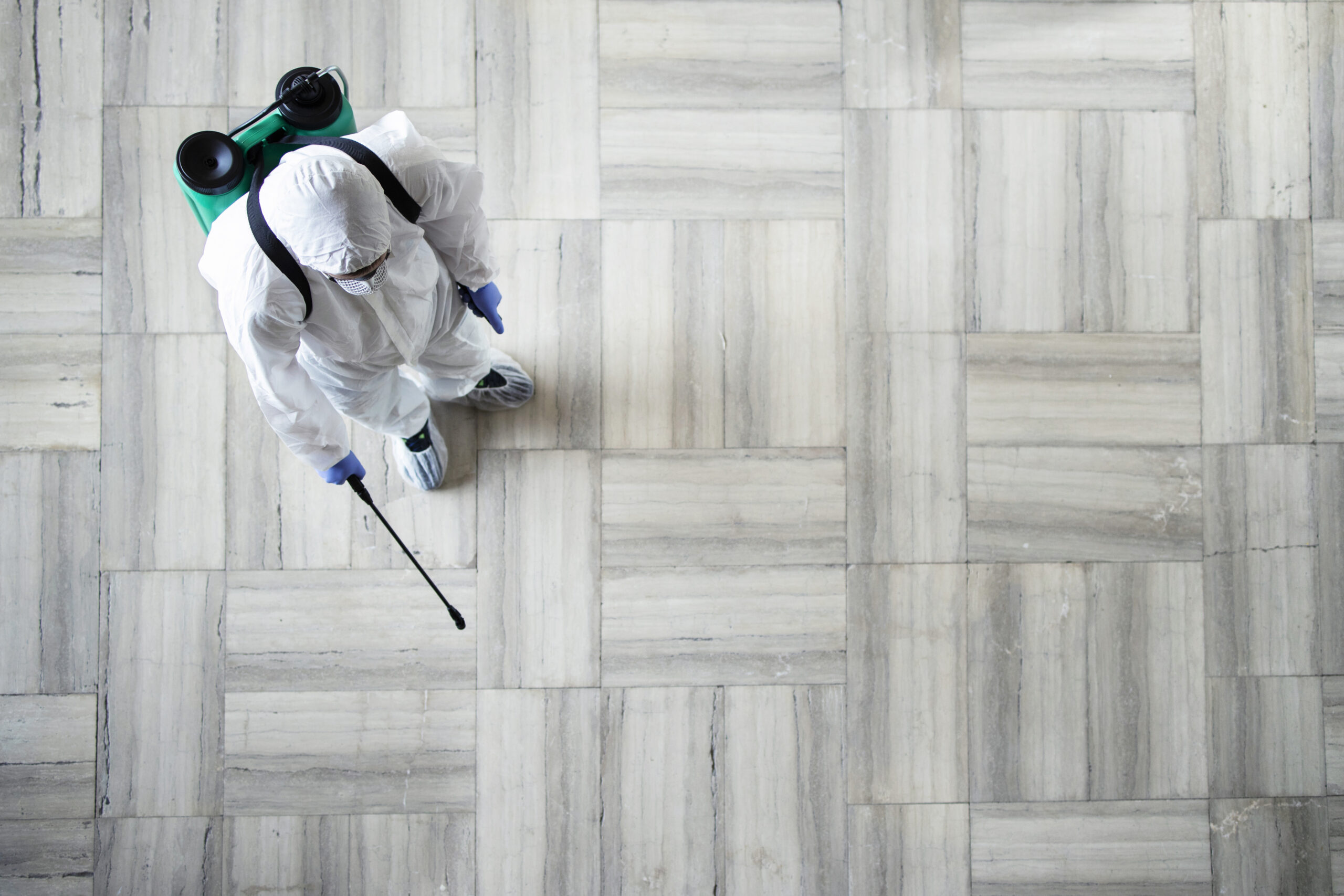
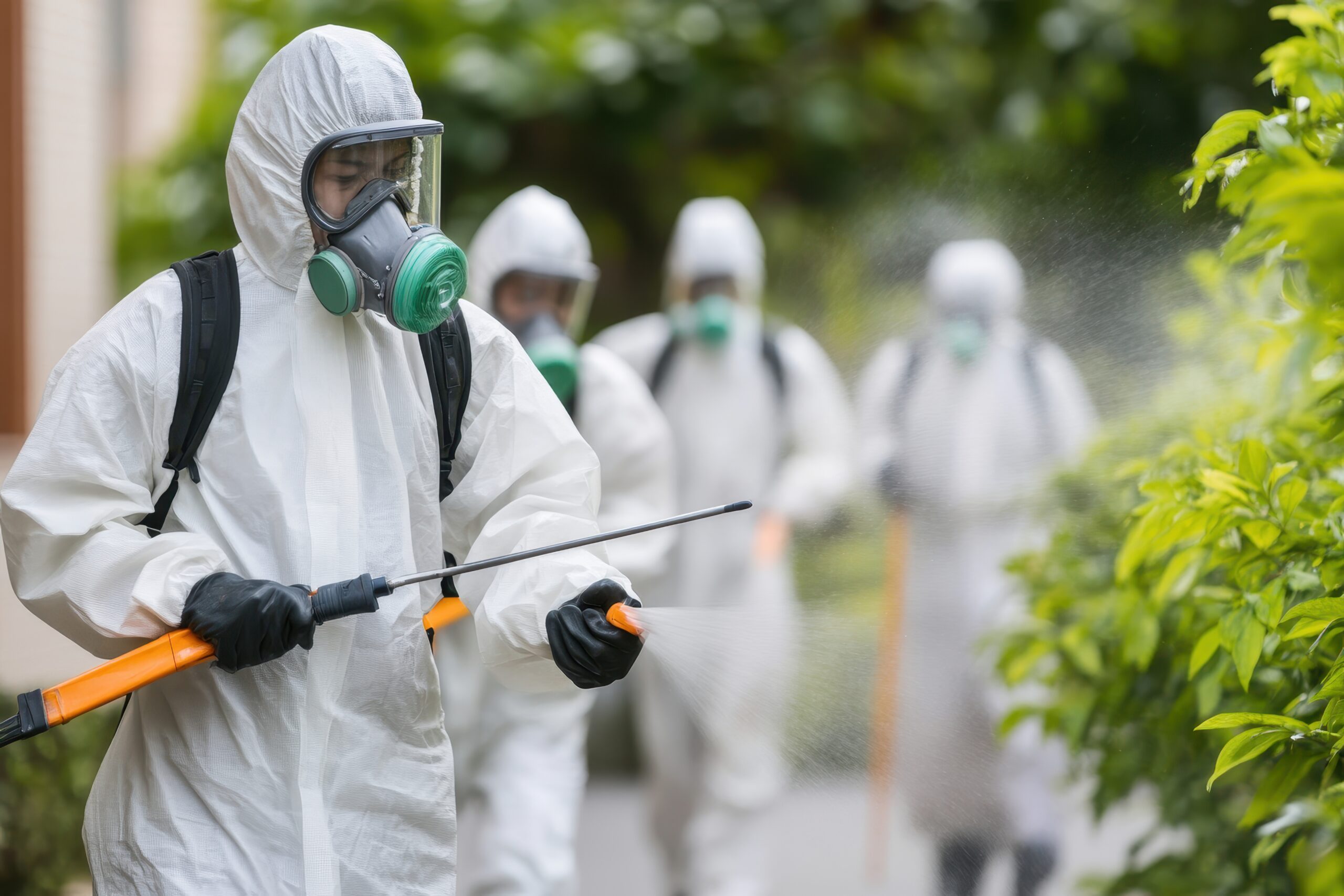
Schools and educational institutions are responsible for providing students with a safe, clean, and healthy learning environment. With hundreds or sometimes thousands of students using classrooms, cafeterias, libraries, playgrounds, and common areas every day, maintaining hygiene becomes a major priority. Unfortunately, these busy environments can also attract pests if proper preventive measures are not in place. Effective Pest Control helps educational institutions protect student health, maintain sanitation standards, and support uninterrupted learning.
Pests such as cockroaches, rodents, mosquitoes, ants, and termites can create health risks and damage school infrastructure. A proactive pest management strategy helps schools prevent infestations before they become serious problems.
Index
- Why Pest Control Is Important in Schools
- Common Pests Found in Educational Institutions
- Risks Associated with Pest Infestations
- Effective Pest Management Solutions
- Preventive Measures for Schools
- Benefits of Professional Pest Control Services
- Conclusion
Why Pest Control Is Important in Schools
Pest Control is essential because schools accommodate children who may be more vulnerable to allergies, infections, and respiratory problems caused by pest activity. Maintaining a clean and pest free environment supports student wellbeing and improves overall comfort within the institution.
Educational facilities also contain food service areas, playgrounds, storage rooms, and landscaped spaces that can attract pests if they are not monitored regularly.
Common Pests Found in Educational Institutions
Cockroaches
Cockroaches are often found near cafeterias, kitchens, drainage systems, and waste disposal areas where food residue and moisture are available.
Rodents
Rats and mice may enter buildings through small openings and can damage electrical wiring, books, furniture, and stored materials.
Mosquitoes
Standing water around playgrounds and gardens creates breeding opportunities for mosquitoes that may spread diseases.
Ants
Ants are commonly attracted to food crumbs and sugary drinks left in classrooms and cafeterias.
Termites
Wooden furniture, doors, shelves, and library materials may be affected by termite activity if inspections are neglected.
Risks Associated with Pest Infestations
Pests can create multiple problems for educational institutions. They may spread bacteria, trigger allergic reactions, contaminate food supplies, and damage school property. Infestations can also disrupt classes and create negative perceptions among parents and visitors.
Regular Pest Control inspections help schools identify these issues early and reduce long term risks.
Effective Pest Management Solutions
Routine Inspections
Regular inspections of classrooms, cafeterias, libraries, and storage areas help identify pest activity before infestations become serious.
Sanitation Programs
Maintaining clean classrooms, kitchens, and playgrounds reduces food and water sources that attract pests.
Waste Management
Garbage should be removed frequently and disposal areas should remain clean to discourage pest activity.
Entry Point Management
Doors, windows, and structural gaps should be inspected and sealed where necessary to prevent pest entry.
Monitoring Systems
Monitoring devices help detect pest activity early and support timely corrective action.
Preventive Measures for Schools
Teachers, maintenance staff, and administrators all play an important role in supporting Pest Control efforts. Reporting leaks quickly, maintaining clean eating areas, and encouraging students to dispose of waste properly help reduce infestation risks.
Regular maintenance of gardens, drains, and outdoor spaces further strengthens preventive pest management.
Benefits of Professional Pest Control Services
Professional Pest Control providers create customized treatment plans designed specifically for educational institutions. Their services focus on safety, prevention, and minimal disruption to academic activities.
- Improved student health and safety
- Protection of school property
- Reduced risk of disease transmission
- Long term prevention strategies
- Early pest detection and monitoring
- Support for hygiene standards
For reliable pest management solutions, you can visit professional pest control services for more information.
You can also contact our team through Airpest Contact Page to discuss customized pest management solutions for schools and educational institutions.
Conclusion
Pest management is an essential part of maintaining safe and productive learning environments. By combining regular inspections, preventive measures, and professional Pest Control support, educational institutions can protect students, staff, and facilities from pest related risks.
A proactive approach helps schools maintain hygiene standards, improve comfort, and support uninterrupted education throughout the year.