A home should feel safe, clean, and comfortable, but pests can quietly disrupt that balance. Whether it’s ants in the kitchen, cockroaches in hidden corners, or mosquitoes buzzing at night, these problems are more common than most people expect. Pest Control at home is not just about getting rid of insects; it’s about maintaining hygiene, protecting your family’s health, and preventing long-term damage to your property. A thoughtful approach can help you stay ahead of infestations instead of constantly reacting to them.
Index
- Why Pest Control Matters at Home
- Common Household Pests
- Practical Pest Control Solutions
- Natural Pest Control Methods
- When to Consider Professional Pest Control
- Daily Habits to Prevent Pests
- Conclusion
Why Pest Control Matters at Home
Pest Control is essential for maintaining a healthy indoor environment. Many pests carry bacteria and allergens that can lead to illnesses, especially in children and elderly family members. Cockroaches can contaminate food, rodents can damage wiring and furniture, and mosquitoes are known carriers of serious diseases. Beyond health concerns, pests can also cause structural damage over time, especially termites that feed on wood. Regular pest control helps you avoid these risks and keeps your home in good condition.
Common Household Pests
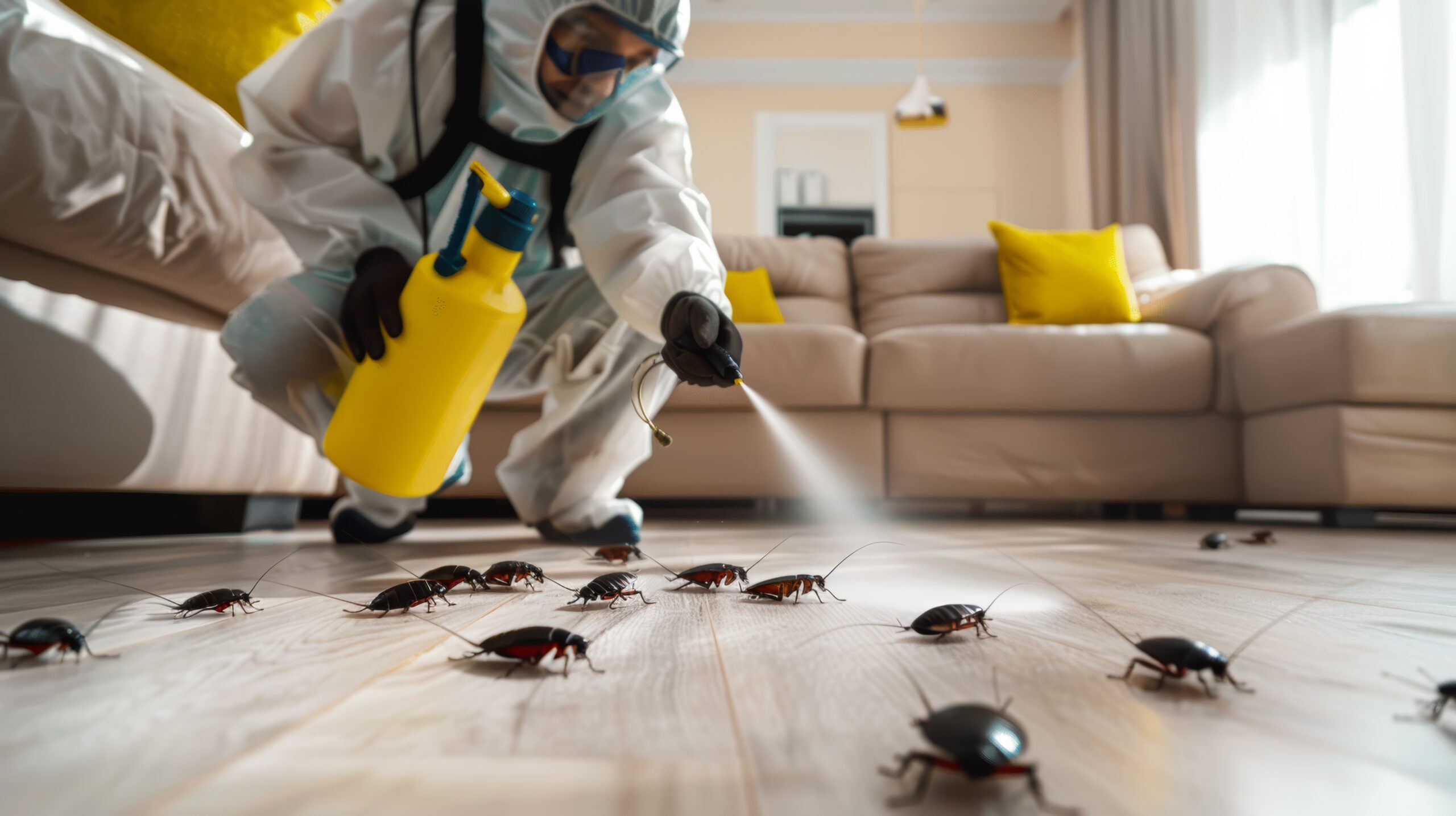
Different homes face different pest challenges, but some are almost universal. Ants often invade kitchens in search of food, while cockroaches prefer damp and dark spaces like bathrooms and drains. Termites silently attack wooden furniture and structures, often going unnoticed until significant damage is done. Mosquitoes thrive in areas with stagnant water, making balconies and nearby surroundings vulnerable. Rodents are another major concern, especially in urban homes where they find easy access through small openings. Understanding these pests is the first step in effective Pest Control.
Practical Pest Control Solutions
Keep Your Home Clean and Dry
Cleanliness is the foundation of effective Pest Control. Food crumbs, spills, and moisture attract pests quickly. Regular sweeping, mopping, and wiping kitchen surfaces can make your home less inviting for insects. Ensuring that sinks and bathrooms remain dry also helps in controlling cockroach activity.
Seal Entry Points
Pests often enter homes through small cracks, gaps around windows, or openings near doors. Sealing these entry points can significantly reduce the chances of infestation. Even tiny gaps can allow ants and insects to enter, so paying attention to these details makes a big difference.
Proper Food Storage
Leaving food exposed is one of the easiest ways to attract pests. Store grains, snacks, and leftovers in airtight containers. Keeping your kitchen organized not only improves hygiene but also strengthens your Pest Control efforts.
Manage Waste Effectively
Garbage bins should be cleaned regularly and kept covered at all times. Accumulated waste is a major attraction for flies, cockroaches, and rodents. Timely disposal of trash is a simple yet powerful Pest Control habit.
Regular Home Inspection
Inspecting your home periodically helps identify early signs of pest activity. Look for droppings, damaged wood, or unusual smells. Early detection allows you to take action before the problem becomes serious.
Natural Pest Control Methods
Many homeowners prefer natural solutions for Pest Control to avoid harsh chemicals. Simple ingredients like neem oil, vinegar, and baking soda can help deter pests effectively. Lemon and peppermint oils are known to repel insects and leave a fresh fragrance in your home. These methods are especially useful for mild infestations and routine prevention. While natural solutions may not eliminate severe infestations, they are a safer option for regular use.
When to Consider Professional Pest Control
Sometimes, home remedies and basic measures are not enough. If you notice repeated infestations or signs of termites and rodents, it’s best to seek professional Pest Control services. Experts use advanced tools and targeted treatments that address the root cause of the problem. They also ensure safety by using regulated chemicals and proper techniques.
For reliable and long-term solutions, you can explore expert pest control services designed for modern homes.
You can also read more about maintaining a pest-free environment in our detailed guide on residential society pest control solutions.
Daily Habits to Prevent Pests
Consistency is key when it comes to Pest Control. Small daily habits can prevent major infestations. Avoid leaving dirty dishes overnight, fix leaking pipes promptly, and ensure proper ventilation in your home. Regularly cleaning storage areas and decluttering unused items also helps reduce hiding spots for pests. These simple actions create an environment where pests struggle to survive.
Conclusion
Home Pest Control is not a one-time task but an ongoing process. By combining cleanliness, preventive measures, and timely professional support, you can keep your home safe and comfortable. A proactive approach not only saves money in the long run but also ensures peace of mind. With the right strategies in place, maintaining a pest-free home becomes much easier and more effective.