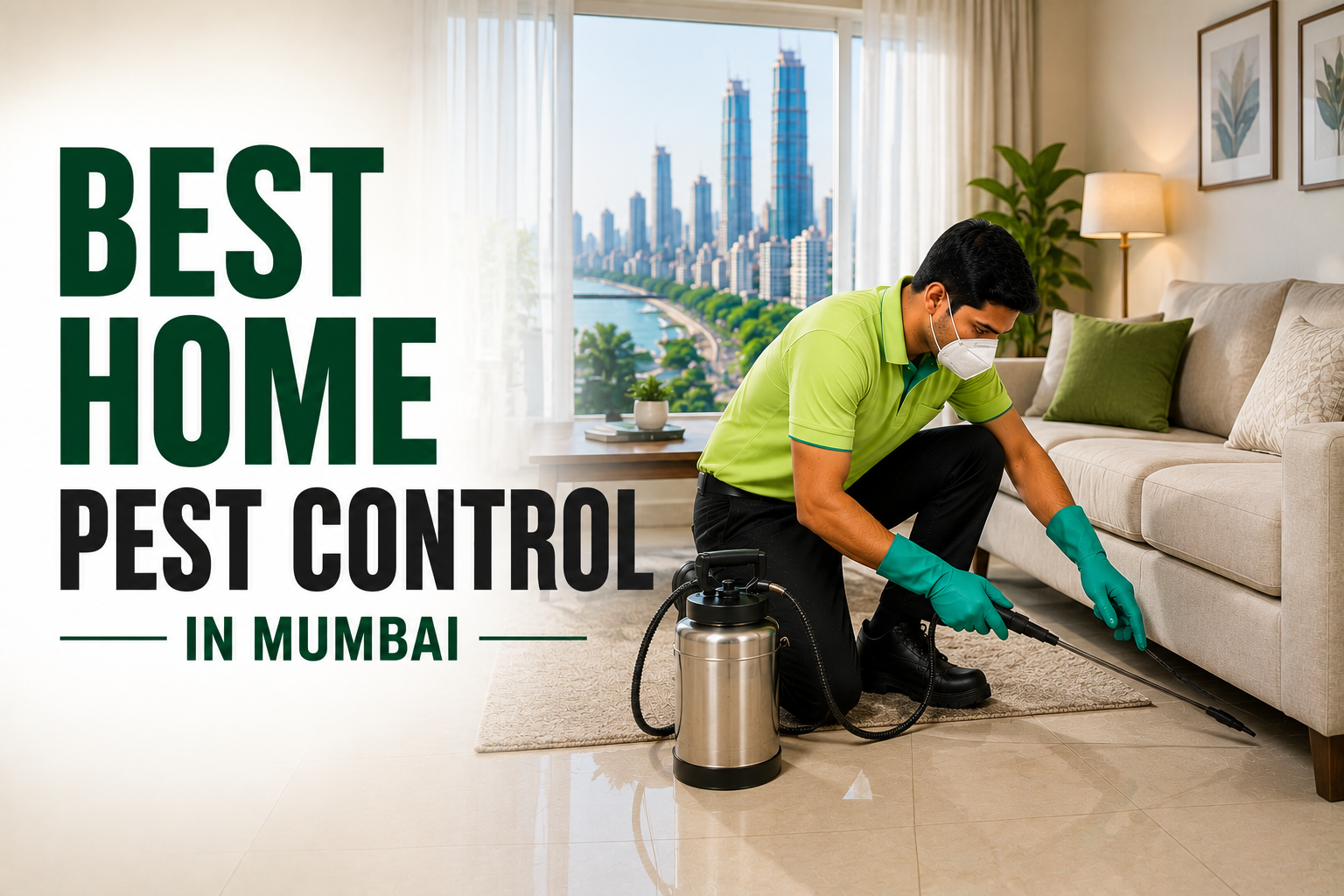
Living in a residential society comes with comfort, security, and community. But it also brings shared challenges like pest infestations. From cockroaches in kitchens to mosquitoes in common areas, these issues can spread quickly if not managed properly. Effective pest control is not just about spraying chemicals; it’s about creating a long-term, safe, and hygienic environment for everyone in the society.
Index
- Why Pest Control is Important in Residential Societies
- Common Pests Found in Societies
- Effective Pest Control Solutions
- Why Choose Professional Pest Control
- Preventive Measures for Residents
- Conclusion
Why Pest Control is Important in Residential Societies
Pest control plays a crucial role in maintaining hygiene and health in shared living spaces. When multiple families live together, even a small pest problem in one flat can quickly spread throughout the building. Rodents, termites, and insects can damage property, contaminate food, and even cause serious health issues. Regular pest control ensures a safer and cleaner environment for everyone.
Common Pests Found in Societies
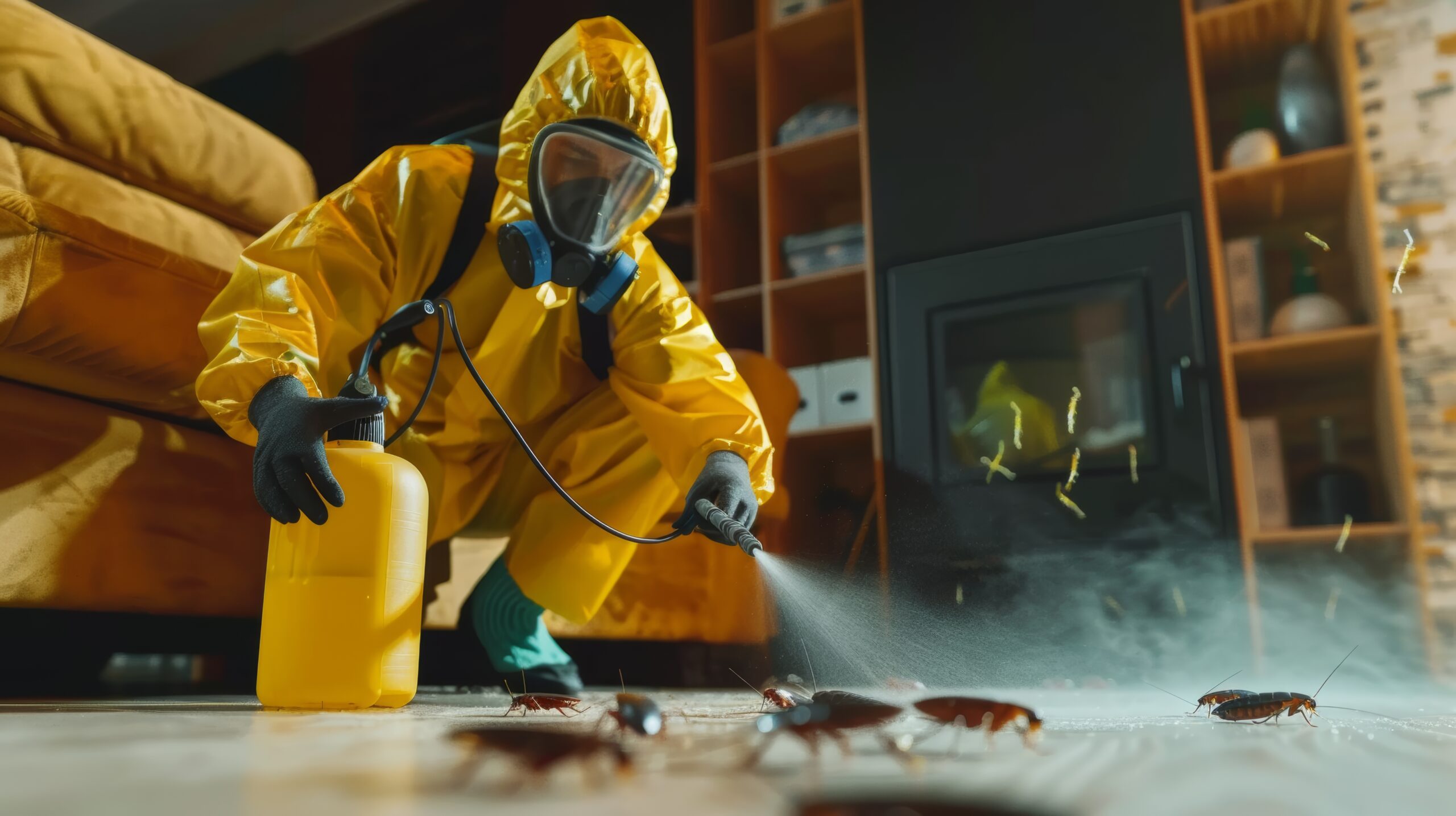
Residential societies often face a variety of pest problems due to garbage disposal areas, drainage systems, and shared walls. Cockroaches are commonly found in kitchens and bathrooms, while mosquitoes breed in stagnant water around the premises. Termites can silently damage wooden structures, and rodents often hide in basements and storage areas. Ants and flies are also frequent visitors, especially during warmer months.
Effective Pest Control Solutions
Regular Inspection and Monitoring
Routine inspections help identify pest problems before they become severe. Society management should schedule monthly or quarterly pest checks to detect early signs of infestation.
Common Area Treatment
Areas like gardens, basements, lifts, staircases, and parking zones should be treated regularly. These spaces often act as breeding grounds for pests if left unattended.
Waste Management System
Proper garbage disposal is one of the most important aspects of pest control. Overflowing bins and unmanaged waste attract pests quickly. Ensuring timely waste collection can significantly reduce infestations.
Eco Friendly Pest Control Methods
Modern pest control solutions focus on safety and sustainability. Using herbal or low-toxicity treatments ensures that children, pets, and elderly residents are not exposed to harmful chemicals.
Why Choose Professional Pest Control
Hiring professional pest control services ensures effective and long-lasting results. Experts use advanced techniques and safe chemicals tailored to specific pest problems. They also provide customized treatment plans based on the size and condition of the residential society.
If you are looking for reliable services, you can explore professional pest control solutions that cater specifically to residential societies.
For more insights on managing pest issues in urban living, you can also check our detailed guide on home pest control tips.
Preventive Measures for Residents
Residents also play a key role in maintaining a pest-free environment. Keeping homes clean, avoiding food spills, sealing cracks, and not allowing water stagnation can make a big difference. Simple habits like taking out trash regularly and maintaining kitchen hygiene help prevent pest infestations.
Conclusion
Pest control in residential societies is a shared responsibility that requires consistent effort from both management and residents. With the right strategies, regular monitoring, and professional support, it is possible to maintain a clean and healthy living space. Investing in proper pest control not only protects property but also ensures the well-being of everyone in the community.